

Selling & moving away
Selling your home — but not sure what to do with everything inside it?
One plan for selling the house and getting everything else handled: what gets packed, what gets sold, what gets stored, and when the truck comes.
St. George · Washington City · Santa Clara · Ivins.
Two jobs, usually treated as one
Selling a home is a marketing problem. Emptying one is a logistics problem. They run on the same calendar and almost nobody plans them together.
- The house has to look emptier to photograph well — before you have anywhere to put things
- Some of the furniture is not going with you, and no decision has been made about it
- The sale closes days before the next place is ready, or days after
Lead with the problem
The listing is the easy half
Pricing, photographing and marketing a home in this metro is well-understood work. What derails a sale is rarely the strategy — it is that the house is full, the seller is trying to declutter it around their own life, the photographer is booked for Thursday, and nobody has decided what happens to the dining set.
Then the sale goes under contract and the second problem arrives: the closing dates do not line up, and the household has to exist somewhere for eleven days.
I sell the house and I own the crews that empty it. That means the decluttering, the staging, the storage and the move-out are scheduled against the listing calendar from the first conversation instead of being improvised against it later.
The sequence
What happens, and in what order
Roughly a sixty-day shape. Yours will differ — the order rarely does.
Walk the house
Room by room, deciding what is coming with you, what is being sold or consigned, what is being donated, and what is genuinely rubbish. Doing this first makes every later decision cheaper, including the moving quote.
Prepare, in that order
Repairs that return more than they cost, then decluttering, then cleaning, then staging. Painting a room you are about to fill with boxes is work done twice.
Move the surplus out
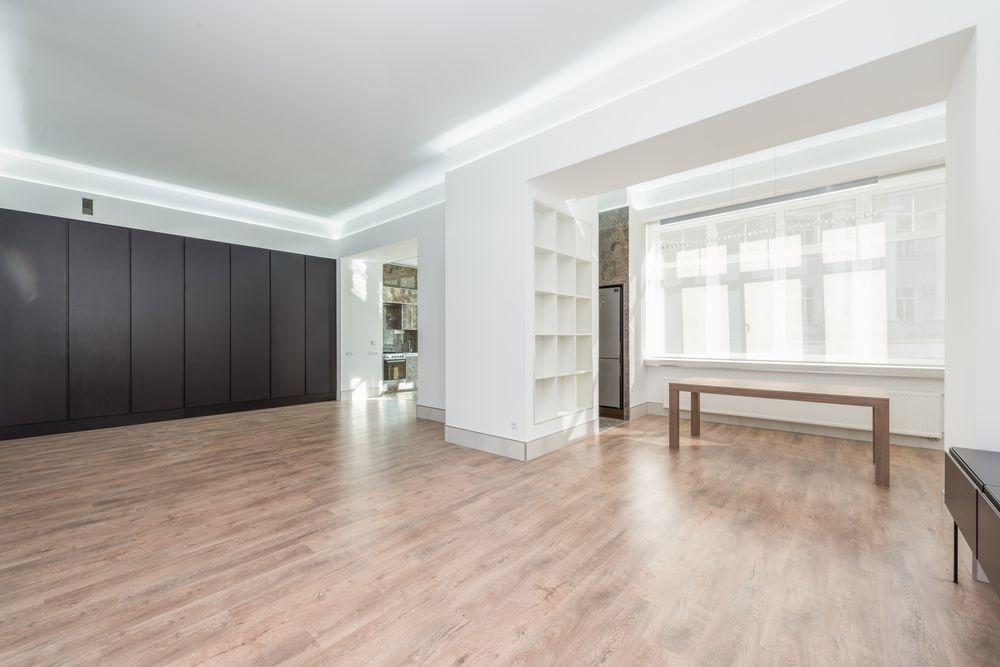
Anything not coming with you leaves before the photographs: consigned, donated or into storage. A house photographs on how much floor it shows.
Photograph and go live
Once, properly, with the house at its emptiest. Re-shooting a listing after a price change is a signal nobody wants to send.
Under contract
Inspection, appraisal and the buyer’s financing. This is also the moment the move gets booked — a firm date is worth more than a good guess.
Cover the gap
If the closings do not meet, storage bridges it. Short-term for a fortnight, longer if the next house is still being built.
Move out and close
Load, clean, hand over the keys. Everything else has already gone where it is going.
The contents
Four destinations for everything in the house
Every item in the place is going to exactly one of these. Deciding early is what makes the rest of it manageable.

Coming with you
Measured against the next house rather than this one. The single most common and expensive mistake is paying to move a sectional, a hutch or a dining table that will not fit or work where it is going.
Sold or consigned
Quality furniture that is not coming with you is worth money rather than a skip fee. We run a consignment business for exactly this: it is photographed, displayed and sold instead of being given away in the final week.

Stored
For the gap between closings, for a house still being built, or for the pieces you have not decided about yet. Deciding later is a legitimate answer as long as the item is somewhere while you decide.

Donated or disposed of
The category people leave until the last night, when there is no time and no van. Coordinated properly it happens in the first fortnight, and the house is easier to sell for it.
Selling in this metro specifically
Things that matter here and not everywhere
- In an actively building community — Desert Color, Divario, Little Valley — your competition includes the builder, who can offer incentives that a private seller cannot match on price alone. That changes how a listing is positioned.
- In a gated community such as Entrada or Stone Cliff, showings, photography and the move-out truck all depend on gate access being arranged in advance. Book it before the photographer, not after.
- In an established community like Bloomington, Green Springs, Sunbrook or Southgate, mature landscaping is an asset and irrigation is a question. Both are worth addressing before the inspection raises them.
- On an elevated lot, photography wants the light and the move wants the driveway. Neither is a problem, but both want scheduling.
- Summer heat sets the working hours for a move-out here. A crew that starts at six in July is not being dramatic.
- Homes with RV parking or a casita — common in Washington Fields and Little Valley — want that feature marketed explicitly. It is a specific thing buyers search for.
What is it worth?
A real valuation, not an automated estimate
Automated estimates work from public records and comparable sales without ever having seen the house. Inside a metro where two homes on the same street can differ by an extension, a casita, a detached RV garage, a view lot or a full renovation, that is a wide margin of error.
A proper valuation means walking through it, looking at what has actually sold in your subdivision recently, and being straight about where your home sits against it — including when the honest answer is lower than you were hoping.
No two moves inside this valley cost the same. Tell me what yours involves and I'll put a plan and a number in front of you.

Selling and moving questions
Should I sell first or buy first?
It depends on whether you need the proceeds of the sale to buy, and on how much disruption you can tolerate. Selling first is financially cleaner and means a gap to bridge; buying first is smoother to live through and means carrying two properties for a while. Storage is what makes selling first tolerable, which is why it is worth pricing before you decide rather than after.
When should I start packing?
Long before the listing goes live, and starting with the things you are not going to miss. Every box that leaves before the photographs makes the house show better. The mistake is packing the kitchen in week one and then living out of a suitcase for two months.
What if my closings do not line up?
Then you store. It is an ordinary situation and it has an ordinary solution — the household goes into storage for the gap and is delivered into the new place when it is yours. Planned in advance it is a line item; discovered a week out it is a scramble.
Do I have to use your movers to list with you?
No. The moving side is available, not compulsory. Some sellers use all of it and some use none of it.
What about the furniture I am not taking?
Quality pieces are worth consigning rather than abandoning — we run a consignment business precisely because sellers were leaving good furniture behind for want of anywhere to put it. Photographed, displayed and sold, on terms set in a signed consignment agreement.
What do you charge?
Real estate commissions are negotiable and are agreed with the brokerage, so no rate is published here. No two moves inside this valley cost the same. Tell me what yours involves and I'll put a plan and a number in front of you.
One plan for the sale and everything inside the house.
Tell me what is going on and I will come back with the order to do it in.