

Downsizing
Downsizing does not have to mean figuring out the sale, the move, the storage and the furniture on your own.
It is normally four companies and one person — you — making sure they all turn up in the right order. It does not have to be.
St. George · Washington City · Santa Clara · Ivins.
The bit that stalls it
Almost nobody stalls on the decision to downsize. They stall on this:
- Thirty years of furniture, and the next house is half the size
- Good pieces that are worth something, and no idea to whom
- Nowhere to put anything while the house is being sold
- Four separate companies, each with their own schedule
Why this is hard
The house is the small part
Selling a long-held home in this metro is straightforward work. What makes downsizing genuinely difficult is that it is four projects wearing one name: a sale, a purchase or a rental, a disposal problem measured in rooms, and a move — usually all inside the same eight weeks.
Handled the normal way that means an agent, a moving company, a storage facility and somewhere to sell the furniture. Four contracts, four schedules, four phone numbers, and one person in the middle holding it together during a stretch that is already tiring.
I do the real estate, and I own the moving, storage and consignment businesses that handle the rest. That is not a referral arrangement — it is one plan with one person answering for it.
How it fits together
One plan, four moving parts
Take all of it or take one piece. The value is that somebody sequences it.
- Real EstatePricing, marketing, negotiation and closing.
- MovingOur own crews. Fourteen years of Utah moves.
- StorageFor the gap when closing dates do not line up.
- Consignment / DeliveryWhat is not coming with you, sold rather than skipped.
Moving, storage and consignment are coordinated through The Next Move Program — how that works.
Where to start
The order that actually works
Downsizing goes wrong when it starts with the hardest room. Start with the easiest.
Measure the next place first
Every keep-or-let-go decision is really a question about the next house, and it cannot be answered until you know the rooms. Floor plan, wall lengths, ceiling heights, whether there is a garage and what it will hold.
Start with storage areas
Garage, shed, loft, the cupboard under the stairs. Low emotional cost, high volume, and it builds momentum before you reach anything that matters.
Sort into four piles, not two
Keep, consign, donate, dispose. “Keep or bin” is what makes people freeze, because it forces good furniture into the bin category and nobody can do that.
Get the surplus out before the photographs
A house sells on the space it shows. Everything in the consign, donate and dispose piles should leave before the photographer arrives.
Store what has no home yet
For undecided pieces, for the gap between closings, or for a new build that is not finished. Storing is a legitimate answer; leaving it in the hallway is not.
List, sell, and move
By the time the sale closes the only things left in the house are the ones going with you, and the move is a short day rather than a long week.
The furniture
What happens to thirty years of it
This is the part that stops people, and it is worth being blunt about. Some of it your family will want. Some of it is worth real money to someone else. Some of it is worth nothing to anyone and the kindest thing is to let it go.
The pieces with value should be consigned rather than abandoned. We run a consignment showroom because we kept watching good furniture get left behind in the last seventy-two hours of a move for want of anywhere to send it. Approved items are photographed, displayed and marketed, on the terms set out in a signed consignment agreement.
What nobody wants gets donated or disposed of properly, on a scheduled day, by people who do this for a living. Not by you, on the last night, in the dark.

The other side of it
Smaller is not the same as less
Single level, low maintenance, and a lock-up-and-leave that survives six weeks away without anyone watering anything.
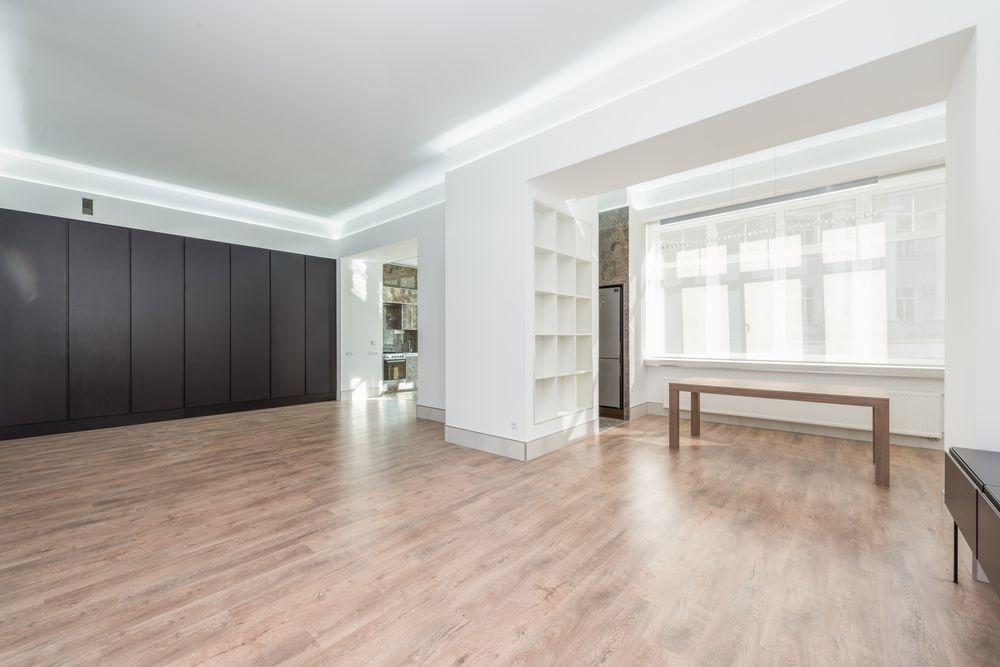




The next house
Property features worth putting on the list
These are things to look at in the building and the lot — concrete, checkable, and the ones downsizers most often wish they had asked about.
- Single-storey layout, or a primary bedroom on the ground floor with the stairs optional rather than daily
- Step-free access from the driveway or garage to the front door, and door widths that a walking frame or a sofa can both clear
- Lot size and landscaping matched to the maintenance you actually want — desert landscaping, a smaller irrigated area, or an HOA that maintains the front
- What the HOA covers and what it charges: front-yard maintenance, roofs, exterior paint, private roads and amenities all vary widely between communities here
- Garage depth, and whether it takes what you are bringing — a workshop, a golf cart, an RV or none of the above
- Whether the community has a clubhouse, pool or courts, and what the fee for them is
- Grade: how steep the driveway is and how many steps sit between the kerb and the door
- A casita or guest suite, if visitors are going to stay and you do not want a spare bedroom sitting empty the rest of the year
Downsizing questions
How long does downsizing take?
Longer than a standard move, because the sorting is the work and the sorting cannot be rushed without someone regretting it. What I will not do is give you a number of weeks for a house I have not seen — the honest answer comes after walking it.
Do I have to decide about everything before I list?
No. You have to decide what leaves the house before the photographs. Anything genuinely undecided goes into storage and gets decided later, which is a much easier conversation once you are not standing in the middle of it.
Is my furniture worth consigning?
Some of it, usually. Solid wood, recognised brands and pieces in good condition tend to be; heavily worn upholstery and flat-pack tend not to be. Send photographs and you will get a straight answer rather than a polite one.
Can you handle selling one home and buying the next at the same time?
Yes, and the gap between the two closings is the part to plan first. Storage is what makes a simultaneous transaction survivable when the dates do not meet.
What about 55+ or age-restricted communities?
Several communities in this metro are commonly described that way, and whether a specific community is legally age-restricted is a matter of its recorded governing documents and its status under the Housing for Older Persons Act. I will not tell you a community qualifies until I have read the documents for that community with you, because getting it wrong has consequences for both of us. Ask me about a specific one and we will check it properly.
Can my family be involved from out of state?
Frequently they are — there is a page for exactly that situation: helping a parent move.
Start with a conversation, not a decision.
Tell me what the house holds and where you are thinking of going. The plan comes after that.