

Relocating to the St. George metro
Moving to St. George? Let’s build the home search and the move around one plan.
Most people relocating here are choosing a community before they have stood in one, and then discovering the moving half of the problem six weeks later. This page is the order I would do it in.
Covering St. George, Washington City, Santa Clara and Ivins.
Where most relocation searches go wrong
- Touring twenty homes across nine communities that were never going to suit, because the search started with houses instead of areas.
- Falling for a lot without checking the CC&Rs, then finding out what cannot be parked, built or planted on it.
- Booking a mover in the last fortnight, at the price the last fortnight costs.
Step one
Choose the community before you choose the house
The metro is four cities and roughly thirty communities inside them, and they are not variations on a theme.
St. George is the centre of it, with Washington City to the east, Santa Clara to the west and Ivins beyond that against the Red Mountain. Driving between any two of them is a matter of minutes, which is exactly why buyers underestimate how different they are to live in and to own.
The differences that end up mattering are unglamorous: what year the neighbourhood was built, what the HOA governs, how big the lot is, how steep the driveway is, and how far the house sits from a wash. Get those right and the shortlist writes itself. Get them wrong and you have bought a beautiful house in the wrong place for what you actually want to do.
The four questions
What actually separates one community from another here
Build era
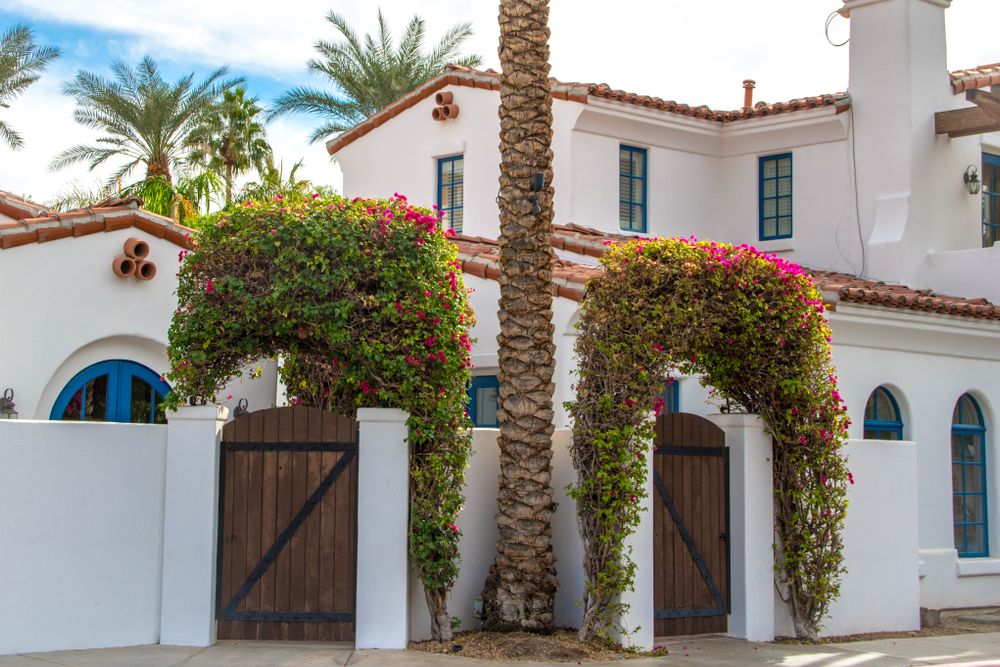
Bloomington, Green Springs, Sunbrook and Southgate are established streets with mature landscaping and lots platted when land was cheaper. Little Valley, Divario and Desert Color are still under construction. The first group means bigger trees and older mechanicals; the second means a warranty, a construction schedule and neighbours who arrive after you do.

What the HOA governs
This ranges from almost nothing to genuinely defining. Kayenta writes lawns out by covenant, so the landscape is desert by design rather than by choice. Entrada at Snow Canyon and Stone Cliff are gated, which changes contractor access, deliveries and how guests reach you. Read the CC&Rs during your inspection window — they are a contract, and they outlast your opinion of them.

Lot size and what you can put on it
Washington Fields and Little Valley are known for larger lots and RV parking; Winchester Hills, Diamond Valley and Bloomington Ranches go further into acreage and horse property. Closer to the centre — Tonaquint, Cottonwood Cove, Shadow Mountain — lots are tighter and you are trading land for being five minutes from everything.
Elevation, view and grade
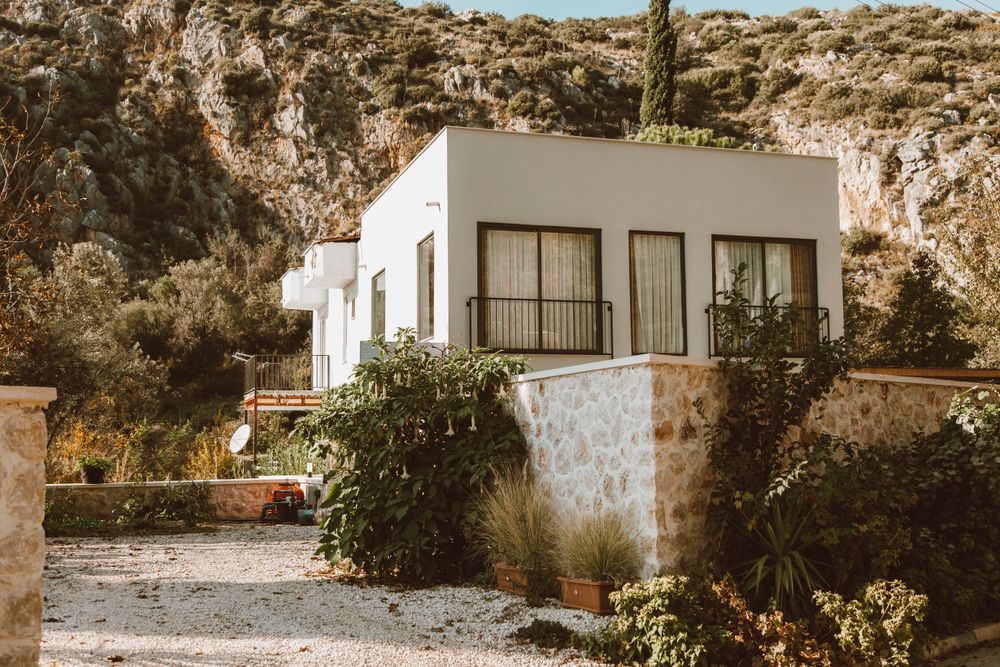
Foremaster Ridge, Paradise Canyon, Sienna Hills, Santa Clara Heights and Anasazi Hills sit up. Elevation buys a view and a red rock backdrop and costs you a driveway, sometimes a steep one, and stairs inside the house. Worth knowing before you buy, and worth knowing on moving day too.
Arriving from out of state
Coming from California, Nevada or Arizona
The practical difference is not the market, it is the ownership. Houses here sit on desert soil under a sun that is hard on roofs, paint and irrigation. Landscaping is a system with a controller and a schedule, not something that survives on rain. If you are arriving from somewhere the garden largely looked after itself, that is the adjustment.
Second: distances collapse. Something that would be a forty-minute commute where you are now is twelve minutes here, which means the trade-off between “close in” and “more land” is a genuinely open question rather than a foregone one. Do not import your old assumptions about how far is too far.
Third, and this is the one that costs money: a long-distance move booked late costs materially more than the same move booked early, and the good crews in this valley are spoken for well ahead in the busy months. The move should be scheduled when the offer is accepted, not when the loan docs land.
The buying process
How a purchase runs here, start to finish
Nothing exotic — but knowing the shape of it is what stops the surprises.
Get your financing straight
A lender letter before you tour, not after you find something. In a market where a seller can pick between offers, financing that has already been checked is the cheapest advantage available to you.
Shortlist two or three communities
On the four questions above. This is the step most out-of-state buyers skip, and it is the step that saves the most time.
Tour with a plan
If you are flying in, we group the shortlist so a trip covers ground properly. If you are not, we do it on video — including the parts an agent normally does not film, like the driveway, the side yard and the utility room.
Offer and negotiate
Price is one term of several. Timing, the inspection period, what conveys and who pays for what all move, and on a relocation the possession date is often worth more to you than the last few thousand on price.
Inspect, and read the CC&Rs
The inspection covers the house. The HOA documents cover everything you are allowed to do with it afterwards. Read both inside the window while you still have the right to walk.
Book the move now, not later
This is the step I can actually do for you rather than advise on. Crews, packing, storage if the dates do not meet, and the delivery into the new house.
Close and take possession
Utilities transferred, keys collected, truck scheduled to the day rather than the week.
Moving logistics
The things I know because I have carried the boxes
Fourteen years of moving households in and out of these neighbourhoods produces a very specific kind of knowledge, and almost none of it is in a listing.
- Which gated communities want a certificate of insurance and advance notice before a truck comes through
- Which cul-de-sacs and lanes a 26-foot box truck genuinely cannot turn around in, so the load has to be shuttled
- Which floor plans put the primary bedroom up a flight that a king mattress will not go round
- Which streets sit low enough that a hard summer storm is worth asking about
- What a 2,400 square foot home in Little Valley actually holds once it is in boxes — the number people get wrong most often
- Why an elevated driveway on a hot afternoon changes both the crew size and the price
- When storage between closings is cheaper than moving twice, and when it is not
What you are moving to
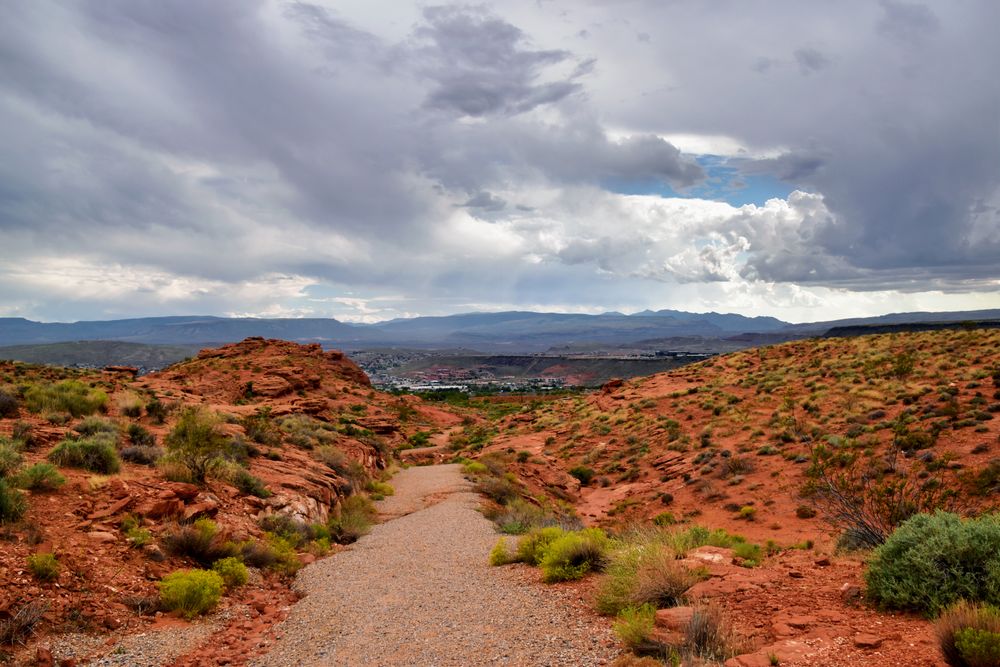
Red rock, short blocks, and no lawn to speak of
The landscape is the reason most people come, and it is also why the houses, the yards and the utility bills work differently here than wherever you are reading this.




Outside the metro
If your search is wider than St. George
This site covers the metro core: St. George, Washington City, Santa Clara, Ivins and the communities inside them. Plenty of people relocating to Southern Utah are also looking at the smaller towns, the Zion corridor, land and acreage further out, or Cedar City.
That is a different search with different questions — water rights, well and septic, commute distance, snow at elevation — and it has its own site: stgeorgeutahhomesforsale.com, which covers Southern Utah town by town. Same person either way.
Relocation questions
How early should I start if I am moving from out of state?
Earlier than feels necessary, mostly because of the move rather than the house. Community research can happen at any pace; moving crews, packing dates and storage cannot be conjured up at short notice in the busy months. If you know roughly when you want to be here, that is enough to start.
Can I buy without visiting?
People do, and it works when the groundwork was done properly — the community narrowed down first, thorough video walkthroughs including the unglamorous parts, a full inspection and the HOA documents read inside the window. It goes badly when someone buys off listing photographs alone.
New construction or an established home?
New construction means a warranty, current building standards and a build schedule you do not control, plus landscaping and window coverings that are usually yours to arrange. An established home means mature landscaping, a known quantity, and mechanicals with a age. Both are reasonable; they are simply different problems.
If I use a builder’s sales office, do I still need an agent?
The person across the desk in a builder’s sales office represents the builder. That is not a criticism, it is their job. If you want someone reading the contract on your side of it, bring representation, and register it at the first visit — most builders require that up front.
Can you help with the move as well as the house?
Yes — that is the whole point of the way I work. Moving, packing, storage between closings and furniture consignment are coordinated through The Next Move Program, on the same timeline as the transaction rather than on a separate one.
Which brokerage are you with?
Keller Williams. Any listing you find that shows a different brokerage for me is out of date.
Tell me where you are moving from.
Where you are coming from, roughly when, and what you would rather not organise yourself.